


How to Sort Clothes for the Best Optimal Laundry Results
Laundry day can often feel overwhelming, especially when faced with a mountain of clothes that all need to be cleaned. However, sorting clothes effectively is the secret to achieving the best optimal laundry results. Proper sorting not only helps maintain the quality of your garments but also prevents unwanted surprises, such as color bleeding or fabric damage. In this comprehensive guide, we will explore the best practices for sorting clothes, share expert insights, and provide practical tips to make your laundry experience smoother and more efficient.
Understanding the Importance of Sorting Clothes
Sorting clothes is a crucial step that many people overlook. By taking the time to sort your laundry, you can avoid mishaps and ensure that each item receives the care it deserves. For example, washing dark and light colors together can lead to unwanted dye transfer, leaving your whites dull and your colors less vibrant. Additionally, different fabrics require different washing methods and temperatures, making sorting essential for maintaining the integrity of your garments.
According to the American Cleaning Institute, proper sorting can significantly reduce the chances of damage to your clothing. This practice not only prolongs the life of your garments but also enhances their appearance, allowing you to enjoy your wardrobe to the fullest.
The Basics of Sorting Clothes
Understanding the different categories of laundry is the first step in efficient sorting. Here are the primary categories to consider:
Color Grouping
The most common way to sort laundry is by color. This method helps prevent color bleeding and ensures that each item is washed under optimal conditions. The primary color categories include:
- Whites: This category includes any fabric that is predominantly white or light in color. It is essential to wash whites separately to maintain their brightness. Items like t-shirts, socks, and bed linens usually fall into this category.
- Darks: Dark colors such as blacks, navy blues, and deep reds should be washed together. This grouping helps prevent fading and color transfer to lighter fabrics.
- Colors: Items that are bright or pastel colored should be washed in their own load. These colors can bleed onto whites or darks, so it’s best to keep them separate.
Fabric Type
In addition to color, sorting by fabric type is important for optimal laundry results. Different fabrics have varying care requirements. Here’s how to categorize them:
- Delicates: Fabrics like silk, lace, and certain synthetic materials require gentle washing and should be kept separate from heavier items. Hand washing or using a delicate cycle is advisable for these items.
- Heavy Fabrics: Items such as towels, blankets, and jeans fall into this category. They can withstand heavier washing cycles and should be washed together to ensure even cleaning.
- Synthetic Fabrics: Polyester, nylon, and spandex can often be washed together, as they are generally durable but can require special care depending on the specific item.
Soil Level
Another important factor in sorting clothes is the level of soil or dirt on each item. For example, heavily soiled items like workout clothes or kitchen aprons should be washed separately from lightly soiled clothes. This method ensures that the more soiled items receive an adequate wash without soiling cleaner items.
Practical Steps for Sorting Clothes
Now that we understand the importance of sorting and the basic categories, let’s dive into some practical steps to make sorting clothes easier and more efficient.
Step 1: Gather Your Laundry
Start by gathering all the laundry that needs washing. This includes clothes from hampers, closets, and any other areas where laundry may accumulate. Bringing everything together gives you a clear view of what you have to work with.
Step 2: Create Sorting Stations
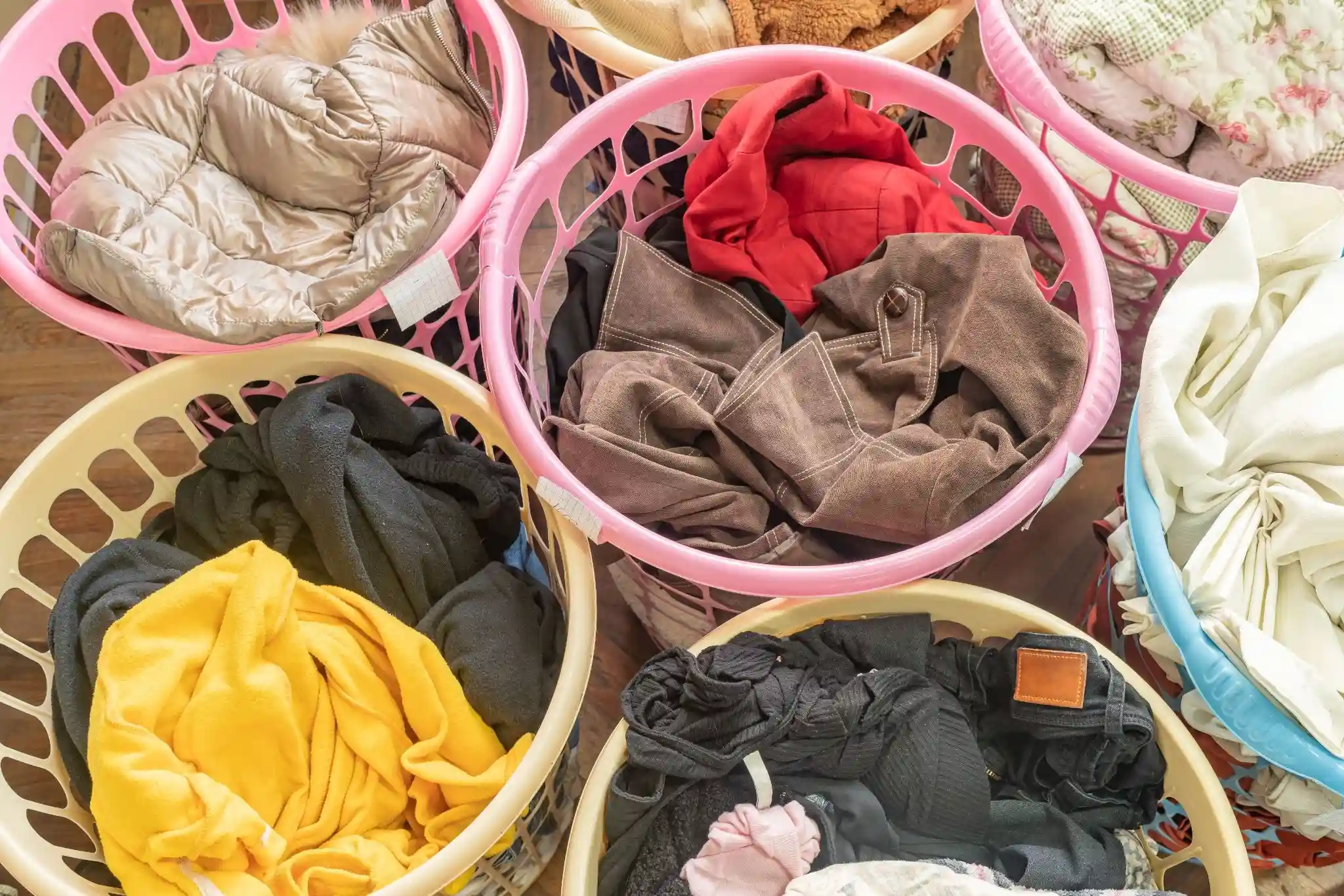
Set up designated areas for sorting. You can use laundry baskets, bins, or even the floor. Create separate stations for whites, darks, colors, delicates, and heavy fabrics. This visual separation will help you sort more efficiently and keep items organized.
Step 3: Sort by Color First
Begin by sorting your clothes into color categories. As you pick up each item, check its care label for specific washing instructions. If an item is predominantly white, place it in the whites basket. If it’s dark, put it in the darks. If it’s a bright color, add it to the colors.
Step 4: Check for Stains
As you sort, take a moment to inspect each item for any stains. Treating stains immediately can prevent them from setting in during the wash. Use a stain remover or a simple mixture of water and detergent to spot-treat any affected areas.
Step 5: Sort by Fabric Type
Once you have your color categories, further sort each basket by fabric type. For example, within the whites, separate heavy cotton towels from lighter cotton t-shirts. This will help ensure that each fabric type receives the appropriate wash cycle.
Step 6: Consider Soil Levels
Finally, assess the soil levels of each category. If you have items that are heavily soiled, consider washing them in a separate load, even if they fall within the same color category. This step will help ensure that everything comes out clean and fresh.
Expert Insights on Sorting Clothes
Sorting clothes may seem like a mundane task, but it can have a significant impact on your laundry results. To provide you with more insights, we reached out to laundry experts for their tips on effective sorting.
Expert Tip 1: Use a Color Catcher
For those who want to streamline the sorting process, consider using a color catcher. This product is designed to absorb loose dyes during the wash cycle, allowing you to wash mixed colors without worrying about dye transfer. While it’s always best to sort by color, a color catcher can provide an extra layer of protection.
Expert Tip 2: Don’t Overload Your Washer
Overloading your washing machine can lead to poor cleaning results and increased wear on your clothes. Make sure to leave enough space in the drum for items to move freely. This ensures that water and detergent can circulate effectively, providing a thorough clean.
Expert Tip 3: Wash New Clothes Separately
When you buy new clothes, it’s a good idea to wash them separately the first time. New garments can often bleed dyes, especially darker colors. Washing them alone prevents any potential color transfer to other items in your laundry.
The Benefits of Proper Sorting
Sorting clothes effectively offers several benefits that go beyond just preventing color bleeding. Here are some notable advantages:
Prolongs Garment Life
By washing clothes according to their specific needs, you help maintain their quality and appearance. For instance, delicates washed on a gentle cycle will last longer than if they were thrown in with heavy items.
Saves Time and Money
Proper sorting can save you time in the long run. By preventing damage and ensuring that items are cleaned correctly, you reduce the need for rewashing and replacing clothes. Additionally, taking care of your garments can save you money on future purchases.
Keeps Clothes Fresh
Sorted laundry often comes out looking and smelling fresher. By washing items with similar soil levels and fabric types, you ensure that everything is cleaned optimally, resulting in a more pleasant laundry experience.
Conclusion
Sorting clothes is a vital step in achieving the best optimal laundry results. By understanding the importance of color grouping, fabric type, and soil levels, you can ensure that your garments receive the care they deserve.
With practical steps and expert insights, you can make sorting a seamless part of your laundry routine. Not only will this practice enhance the longevity and appearance of your clothes, but it will also make your laundry experience more efficient and enjoyable. So, next time you face that laundry pile, remember that proper sorting is the key to fresh and long-lasting garments.
FAQs
1. Why is it important to sort clothes before washing?
Sorting clothes prevents color bleeding and fabric damage, ensuring each item is washed correctly based on its color and fabric type.
2. How should I treat stains before washing?
Treat stains immediately by using a stain remover or a mixture of water and detergent to avoid setting them in during the wash.
3. Can I wash mixed colors with a color catcher?
Yes, color catchers can absorb loose dyes during the wash cycle, allowing you to wash mixed colors while minimizing the risk of color transfer.