


How to Identify Minor vs Major Home Repairs for Beginners
Homeownership is often seen as a dream come true, but it comes with its own set of challenges. One of the most significant challenges is dealing with repairs. Knowing how to identify minor versus major home repairs is crucial for maintaining your home and ensuring it remains a safe and comfortable space. This guide will walk you through the process of recognizing different types of repairs, helping you make informed decisions about when to tackle them yourself and when to call in a professional.
Understanding Home Repairs
What Constitutes a Home Repair?
Home repairs can be defined as any work done to fix, replace, or maintain a component of your home. These repairs can range from simple tasks like changing a light bulb to complex jobs like replacing a roof. Understanding what constitutes a home repair is essential in recognising the scope of work required in your home. Common examples include fixing leaky faucets, patching drywall, and addressing electrical issues.
Each type of repair plays a vital role in the overall functionality and aesthetic of your home. Knowing the difference between minor and major repairs can help you prioritise tasks and allocate your resources effectively. This understanding sets the foundation for your home maintenance strategy.
The Importance of Timely Repairs
Timely repairs can save you from larger issues down the road. Ignoring a small leak, for example, can lead to mould growth or structural damage, costing you significantly more in the long run. Addressing home repairs promptly not only maintains the appearance of your home but also protects its value. Moreover, timely repairs can enhance your living experience by ensuring a safe and comfortable environment.
Delaying repairs can lead to escalating problems. When you neglect minor issues, they can quickly escalate into major repairs that require professional intervention. To safeguard your investment and keep your home in good condition, it’s essential to recognise and act on repairs as soon as they arise.
Identifying Minor Home Repairs
Characteristics of Minor Repairs
Minor repairs are typically small issues that can be addressed without extensive knowledge or specialised skills. These repairs often require basic tools and materials and can usually be completed in a short amount of time. Examples of minor repairs include fixing a leaky faucet, changing a light fixture, or touching up paint on the walls.
These types of repairs are generally low-cost and can often be done as a DIY project. The key characteristic of minor repairs is that they do not pose an immediate threat to the safety or structure of your home. You can usually tackle these tasks during a weekend or on a day off, making them manageable for most homeowners.
Tools and Materials for Minor Repairs
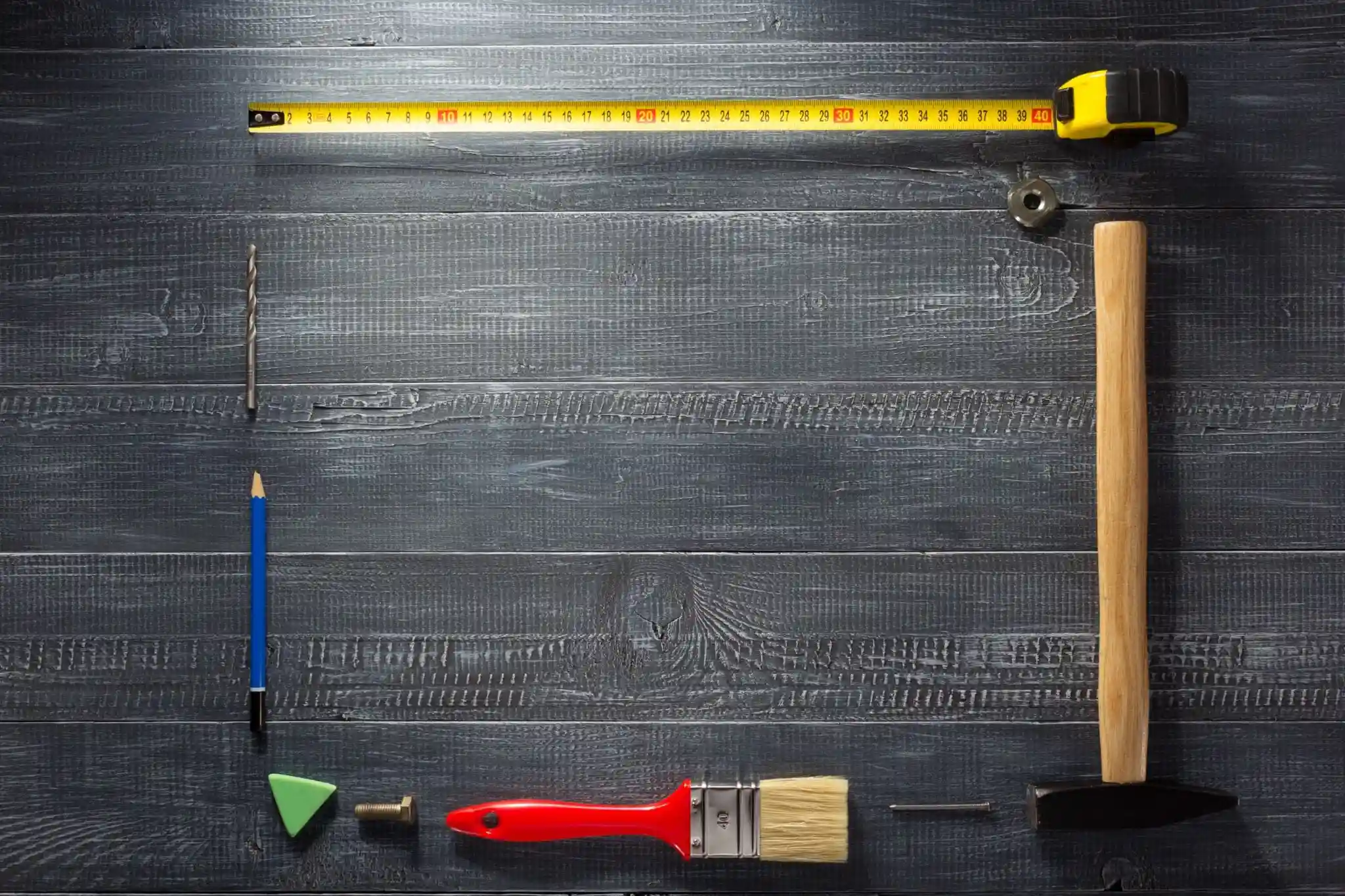
To effectively handle minor repairs, you will need some essential tools and materials. Basic tools like a screwdriver, a hammer, pliers, and a tape measure are often sufficient for most small projects. Additionally, having a well-stocked toolbox with items such as nails, screws, adhesive, and paint can make tackling minor repairs much easier.
Before starting any repair project, it’s a good idea to gather all necessary tools and materials. This preparation will help you work more efficiently and avoid unnecessary trips to the hardware store. By investing in a few basic tools, you can empower yourself to take on a variety of minor repairs confidently.
When to DIY Minor Repairs
Deciding whether to tackle a minor repair yourself depends on your comfort level and experience. If you have a basic understanding of how things work in your home, you can likely handle many minor repairs. For example, replacing a faucet washer or unclogging a drain are tasks that most homeowners can manage with a little guidance.
However, it’s essential to assess your skill level realistically. If you feel uncertain about a task, it’s perfectly acceptable to seek help or consult instructional videos online. The satisfaction of completing a minor repair can boost your confidence and encourage you to take on more challenging projects in the future.
Recognising Major Home Repairs
Defining Major Repairs
Major repairs, on the other hand, involve significant issues that can impact the safety, functionality, or structural integrity of your home. These repairs usually require professional expertise and specialised tools. Examples include roof replacements, major plumbing overhauls, and significant electrical work.
Recognising the signs of major repairs is essential for any homeowner. If you notice persistent leaks, cracks in the foundation, or electrical problems like flickering lights, it’s crucial to act quickly. Ignoring these issues can lead to more extensive damage and higher repair costs over time.
The Risks of Ignoring Major Repairs
Neglecting major repairs can have serious consequences. For instance, a leaking roof may initially seem like a minor problem, but over time, it can lead to water damage, mould growth, and compromised structural integrity. The longer you wait to address these issues, the more costly and complicated they can become.
Additionally, ignoring major repairs can pose safety risks. For example, faulty wiring can lead to electrical fires, while significant plumbing issues can cause flooding and water damage. Understanding the potential risks associated with major repairs can motivate you to take action sooner rather than later.
Signs You Need a Professional for Major Repairs
Knowing when to call in a professional is critical for homeowners. If you encounter issues that are beyond your skill level or that require specialised knowledge, it’s best to consult with an expert. Signs that you should seek professional help include persistent problems that worsen over time, safety concerns, and repairs that require permits or inspections.
When in doubt, err on the side of caution. A professional can assess the situation, provide guidance, and ensure that repairs are done correctly and safely. Investing in professional help can save you time, money, and stress in the long run.
Comparing Minor vs Major Repairs
Cost Considerations
Cost is often a significant factor when determining whether to handle a repair yourself or call a professional. Minor repairs usually come with lower costs, often involving only the price of materials. In contrast, major repairs can be expensive due to labour, materials, and the potential need for permits.
Understanding the typical costs associated with different types of repairs can help you budget effectively. It’s wise to set aside a repair fund to cover unexpected expenses. This proactive approach can alleviate financial stress and ensure you are prepared for both minor and major repairs.
Time Commitment
The time commitment required for repairs can also vary significantly. Minor repairs can often be completed in a few hours or less, making them manageable for most homeowners. However, major repairs may take days or even weeks, depending on the complexity of the work involved.
When planning home repairs, consider your schedule and availability. If you have the time and energy to commit to a small project, go for it. For larger repairs, ensure that you have enough time to dedicate to the task or consult a professional who can handle it more efficiently.
Long-Term Impact on Home Value
Both minor and major repairs can significantly impact your home’s value. Minor repairs, such as fresh paint or minor landscaping improvements, can enhance your home’s curb appeal and attract potential buyers. In contrast, major repairs, like roof replacements or foundation repairs, are often necessary to maintain the structural integrity and safety of your home.
Investing in necessary repairs can pay off in the long run. Ensuring that your home remains in good condition will help protect its value and provide you with a safe living environment. Regular maintenance and timely repairs can contribute to a positive homeownership experience.
Developing a Home Repair Plan
Creating a Maintenance Schedule
One of the best ways to manage home repairs is to create a maintenance schedule. Regularly inspecting your home can help you identify minor issues before they escalate into major problems. Schedule seasonal inspections to check for leaks, cracks, and other potential issues.
A maintenance schedule can also help you prioritise tasks and allocate your time effectively. By planning ahead, you can ensure that your home remains in good condition and that repairs are addressed promptly.
Budgeting for Repairs
Budgeting for home repairs is essential for any homeowner. Set aside a specific amount each month in a repair fund to cover both minor and major repairs. This proactive approach can alleviate financial stress and help you manage unexpected expenses.
When budgeting, consider the age of your home and the typical lifespan of its components. For example, older homes may require more frequent repairs, so adjusting your budget accordingly can help you stay prepared.
Resources for Homeowners
Many resources are available to help homeowners navigate repairs. Online platforms, such as DIY websites and video tutorials, can provide valuable guidance for tackling minor repairs. Additionally, local community workshops often offer hands-on training for various home maintenance skills.
Consider joining homeowner forums or community groups where you can seek advice and share experiences with others. Building a network of support can empower you to take on repairs confidently and help you connect with professionals when needed.
Conclusion
Identifying minor versus major home repairs is crucial for maintaining a safe and comfortable living environment. By understanding the characteristics of each type of repair, you can prioritise your tasks and make informed decisions about when to tackle them yourself or call in a professional. Timely repairs not only protect your home’s value but also enhance your overall living experience.
As a homeowner, being proactive about repairs can save you time, money, and stress. Create a maintenance schedule, budget for repairs, and utilise available resources to stay informed. With the right approach, you can confidently manage your home and ensure it remains a safe and welcoming space for you and your family.